May 4, 2026
•
by
Interlune
Interlune Awarded $6.9 Million Contract from NASA for Lunar Resource Development
Project Aims to Be the First to Measure Volatile Gases by Heating Lunar Soil While on the Moon
SEATTLE - May 4, 2026 - Interlune, a natural resources company, today announced a Small Business Innovation Research (SBIR) Phase III project with NASA’s Space Technology Mission Directorate (STMD) Game Changing Development (GCD) program for a lunar resource development effort. The sole-source contract is for a firm-fixed-price of $6.9 million over the next 18 months to develop a payload suite that will capture on-site measurements of gases in lunar regolith and demonstrate technologies for resource extraction, including helium-3 and hydrogen. Resource harvesting is integral to creating a long-term, sustainable presence on the Moon.
“For the first time ever, we will measure volatile gases by heating lunar regolith while on the Moon, dramatically advancing the scientific community’s understanding of its properties,” said Interlune chief scientist Dr. Elizabeth Frank. “The data we collect will also tell us how much power is needed to extract resources like helium-3.”
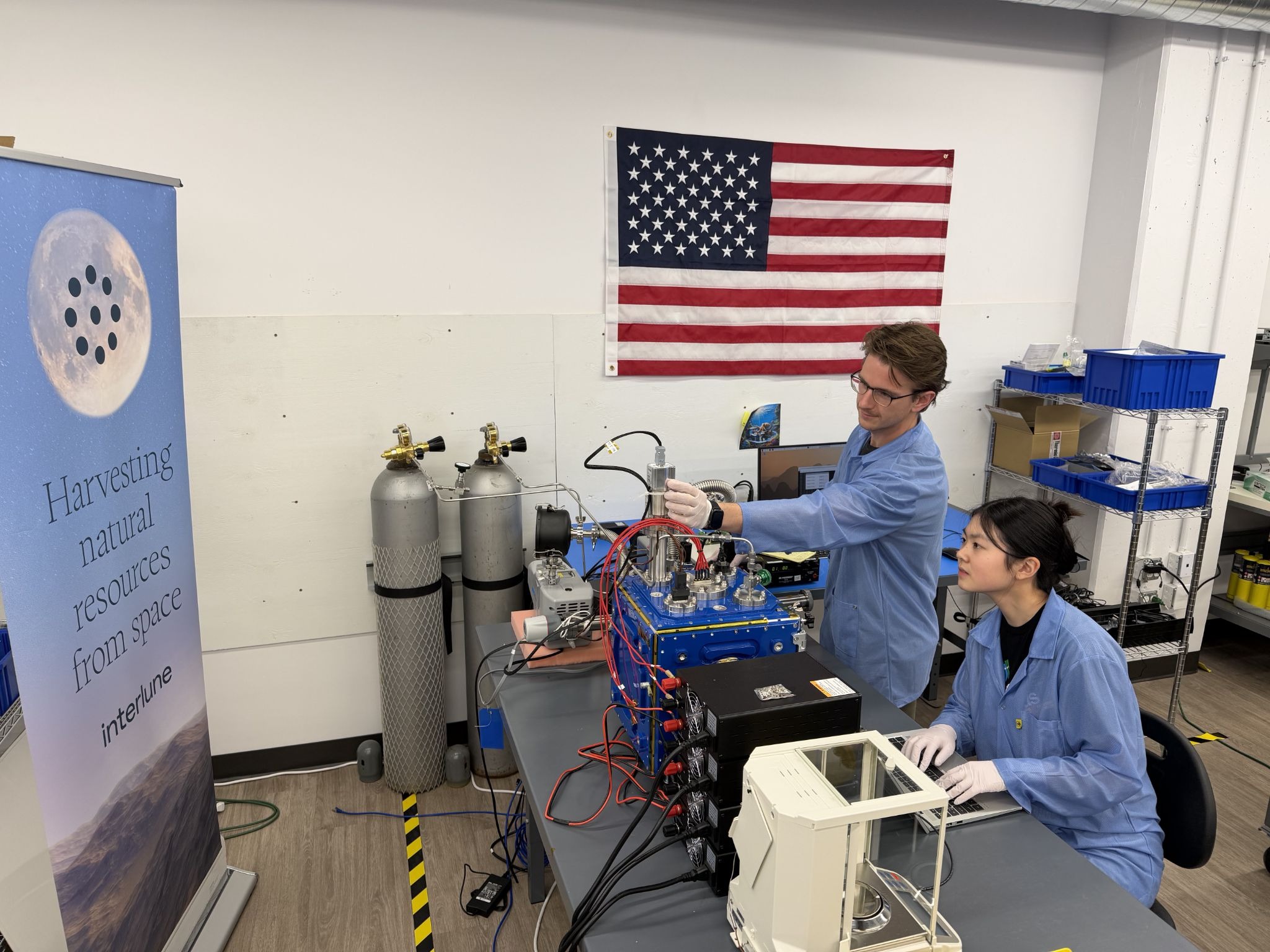
The Interlune payload, which will be ready for launch in 2028, builds on prior work with NASA’s Flight Opportunities program and the National Science Foundation (NSF), in which Interlune built and tested payload prototypes on parabolic aircraft flights simulating lunar gravity. It has been designed to fly on one of the commercial robotic landers developed for NASA’s Commercial Lunar Payload Services (CLPS) program.
“We’re gathering data and advancing technologies that serve multiple purposes across industry and government,” said Rob Meyerson, co-founder and CEO of Interlune. “NASA's continued investment in space technology enables technology development projects like this one to ensure America's leadership in building the lunar economy.”
Under the SBIR Phase III contract, Interlune will design, build, and test engineering development units (EDUs) and flight hardware. The payload is designed to collect lunar regolith samples, sort particles by size, extract solar wind volatile gases, and measure their quantities. It includes:
- A robotic arm and scoop,
- a size sorting device,
- devices to extract solar wind gases from regolith via mechanical and thermal processes,
- a multi-spectral camera to collect data that will estimate helium-3 concentrations,
- and a mass spectrometer based on NASA’s Mass Spectrometer Observing Lunar Operations (MSOLO), which will measure the concentration of gases released.
Data obtained from the planned mission will provide valuable insights for NASA and the lunar science community on solar wind volatile concentrations and Moon mineralogy. It will also inform the continued development of the Interlune full-scale helium-3 harvesting system, as well as technologies that could support the construction of the Artemis Moon Base.
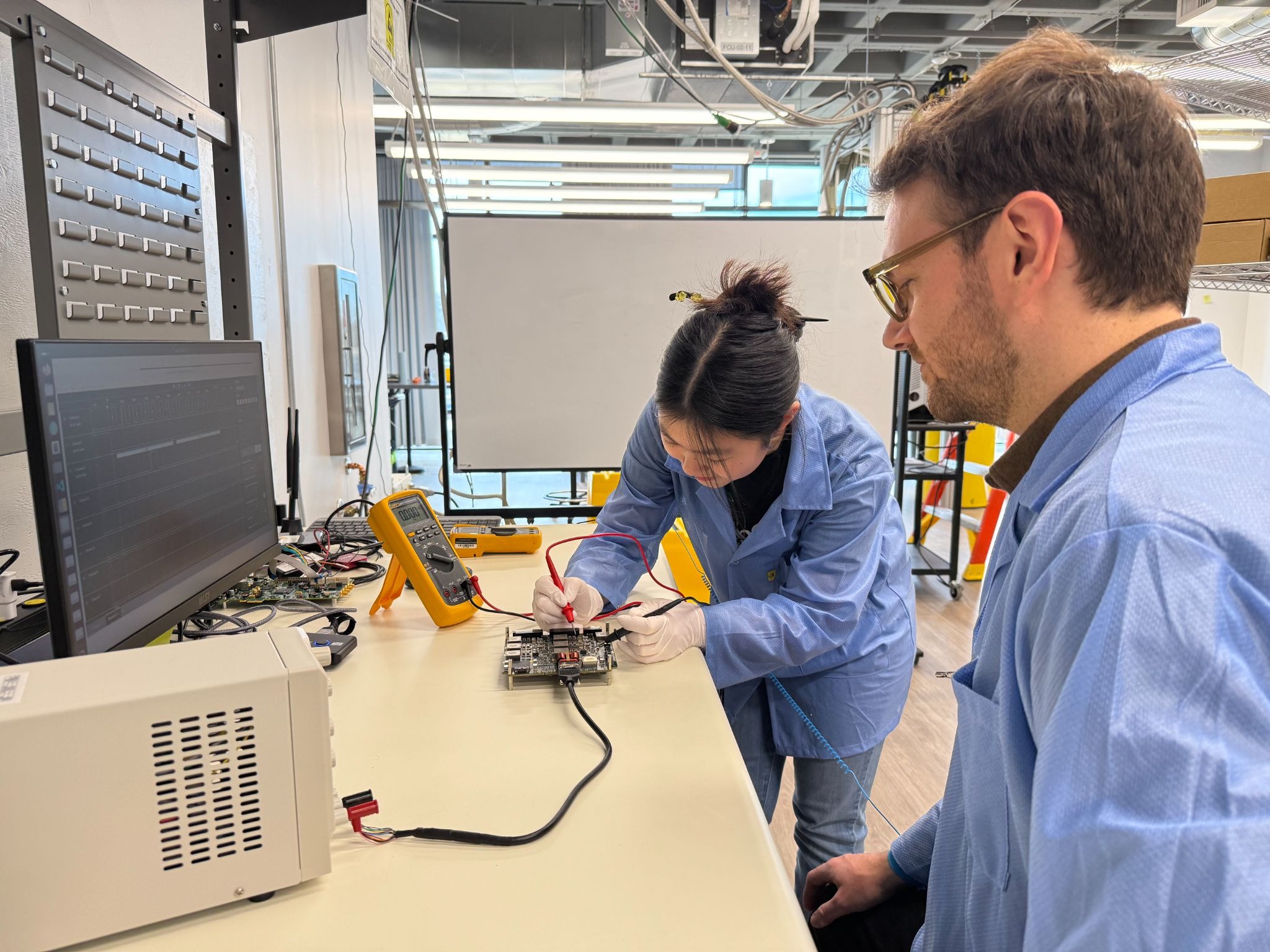
The Interlune roadmap to harvest lunar helium-3 could support NASA's goals of creating a robust lunar economy and long-term presence on the Moon. Revenue from selling helium-3 to customers on Earth will fund the further development of technologies to harvest other natural resources from the Moon, as well as provide critical lunar infrastructure, like construction and site preparation, thermal control, and systems for returning payloads from the lunar surface.
Interlune has nearly $500 million in binding purchase orders for helium-3, including from the U.S. Department of Energy and from quantum computing companies.
NASA's Game Changing Development program develops leading-edge technologies that support the agency’s lunar exploration efforts.
About Interlune
Interlune is a privately funded natural resources company committed to sustainable, responsible harvesting of resources from space to benefit humanity. Based in Seattle, Interlune was founded in 2020 by a team of highly experienced government and industry experts. Aiming to be the first U.S. company to commercialize resources from space, Interlune has developed patent-pending technology that harvests materials from the lunar soil, or regolith, using the smallest, most energy-efficient machinery of its kind. Over time, Interlune will harvest additional resources—including industrial metals, rare earth elements, and water—to support a long-term presence on the Moon and a robust in-space economy. The company has raised $18 million to date and has received contracts from NASA, the National Science Foundation (NSF), the U.S. Department of Energy, the Texas Space Commission, and several commercial customers. Follow Interlune on LinkedIn, X, Bluesky, Facebook, and Instagram.
About NASA SBIR/STTR
The NASA Small Business Innovation Research / Small Business Technology Transfer (SBIR/STTR) program is part of America’s Seed Fund, the nation’s largest source of early-stage non-dilutive funding for innovative technologies. Through this program, entrepreneurs, startups, and small businesses with less than 500 employees can receive funding and non-monetary support to build, mature, and commercialize their technologies, advancing NASA missions and helping solve important challenges facing our country.