Natural Resources
%20(1).avif)
On Earth and in space
Harvesting a variety of natural resources to support a long-term presence on the Moon and a robust in-space economy
Helium-3
Hydrogen
Helium
Oxygen
Water
Nitrogen
Rare earth elements
Industrial metals (aluminum, iron, titanium)
Silicon
Helium-3
The only lunar resource valuable enough to bring back to Earth
Rare on Earth but plentiful on the Moon, helium-3 has applications across multiple large industries.
Quantum Computing

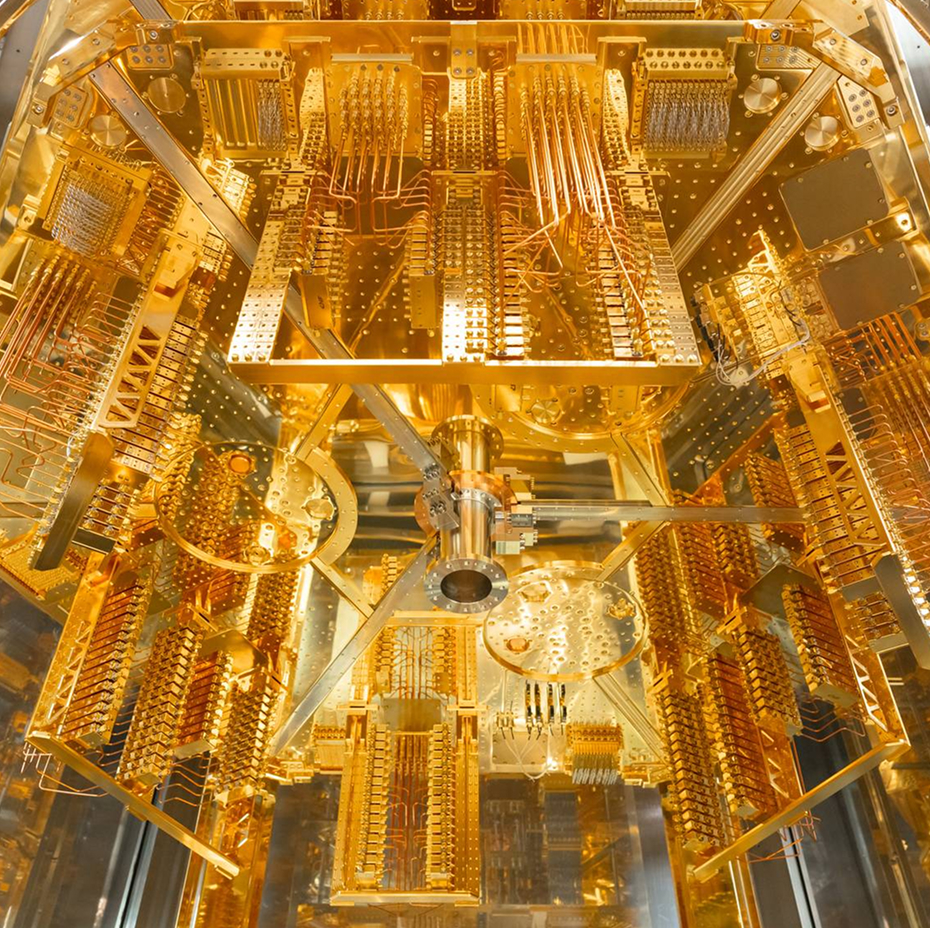
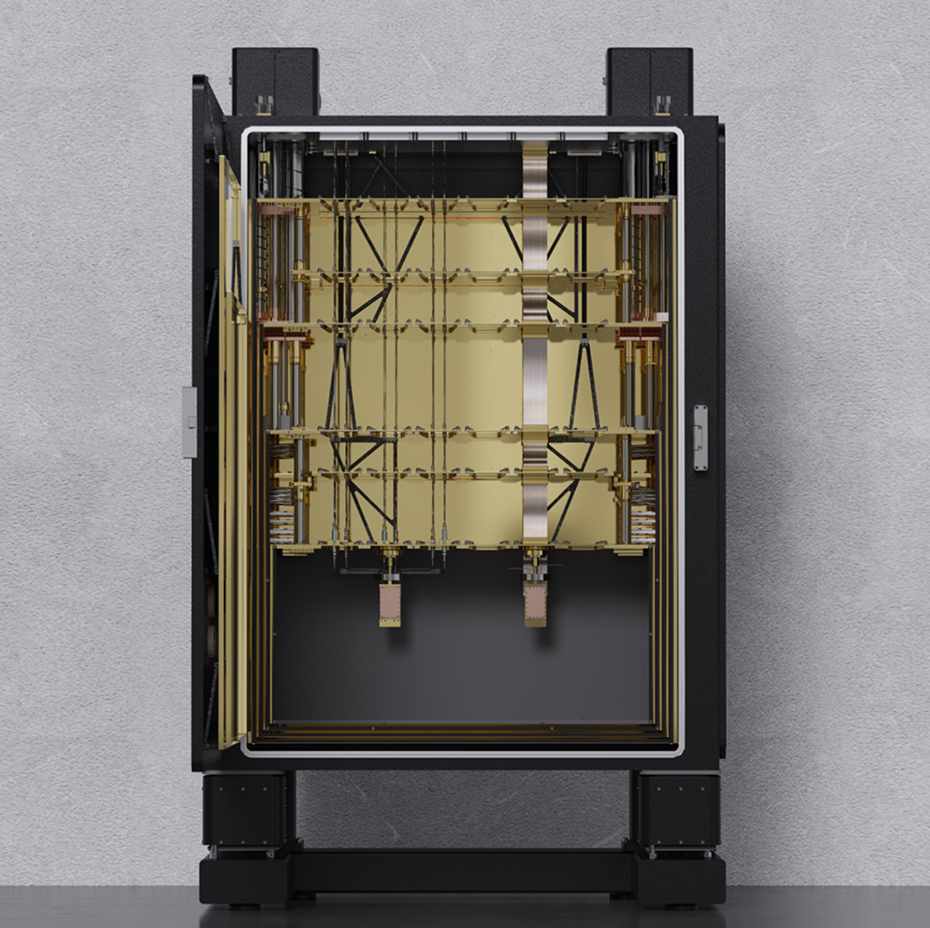
Used to reach nearly absolute-zero temperatures where quantum computers are housed. Extremely low temperatures reduce interference in calculations and increase their accuracy.
National Security

Used in the devices that detect nuclear materials and clandestine weapons at borders and ports.
Fusion Energy

Wide availability of helium-3 would make it a preferred fuel for fusion reactions, producing fewer higher energy neutrons than tritium.
Medical Imaging

Hyperpolarized Helium-3 Magnetic Resonance Imaging (MRI) enables lung imaging with unprecedented detail without exposing patients to additional radiation.
Immediate market demand
Quantum Computing
Superconducting quantum computers must be cooled to near-absolute-zero temperatures to operate properly.
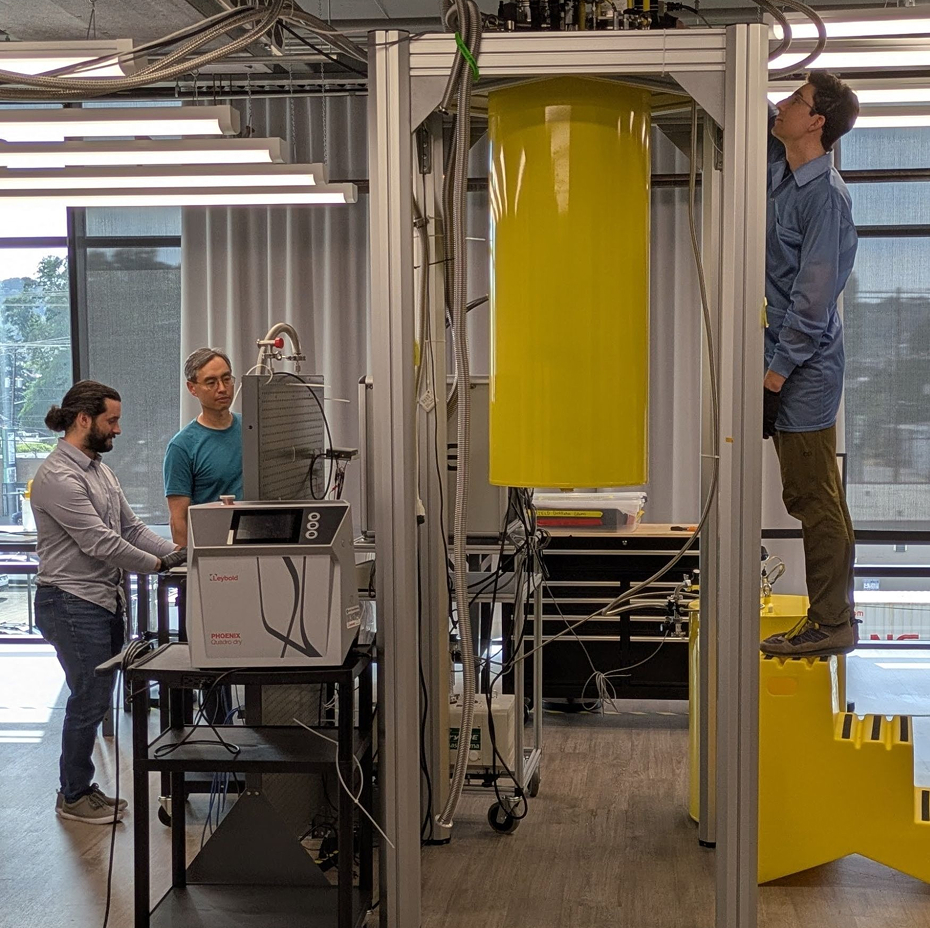
They achieve temperatures hundreds of times colder than outer space using dilution refrigerators that contain helium-3.
Today’s quantum refrigerators use a few dozen liters of helium-3, but as quantum systems scale, they will need hundreds or even thousands of liters.
Quantum computing is expected to drive rapid innovation in medicine development, finance, chemistry, AI breakthroughs, and cybersecurity in the upcoming years, highlighting the growing need for this critical material.

The Interlune Harvester will process up to 100 tons of Moon dirt, or regolith, per hour.


Current helium-3 customers
More than $500 million in binding purchase orders for tens of thousands of liters of helium-3 annually, with delivery from 2028 to 2037.



Harvested in space, for space
Using local resources for life and industry beyond Earth
Hydrogen
Fuel for rockets and fuel cells, and a feedstock for producing water and extracting oxygen.
Helium
Used to pressurize propulsion systems, purge equipment, and cool sensitive instruments.
Oxygen
Essential for breathing and industrial processes, as well as a high-volume oxidizer for rockets traveling from the Moon or Mars.
Water
Used for drinking, hygiene, agriculture, cooling, and radiation shielding, or split into hydrogen and oxygen for life support, energy, and propulsion.
Nitrogen
A buffer gas for breathable habitats, a nutrient for growing food, a pressurant, and a feedstock for fertilizers and other chemicals.
Rare earth elements
Used in high-performance magnets, motors, electronics, lasers, sensors, and other advanced equipment manufactured on or beyond Earth.
Industrial metals
Aluminum, iron, and titanium will be used as structural materials for habitats, vehicles, machinery, wiring, landing infrastructure, replacement parts, and radiation protection.
Silicon
Used to produce solar cells, electronics, glass, ceramics, and construction materials on the Moon and elsewhere in space.
In-space refueling
Hydrogen and oxygen extracted from water can be converted into rocket propellant. A lunar refueling network will reduce the cost of transportation between the Moon, Earth, and destinations farther into space.

Interested in learning more about Interlune?
.webp)
.svg)
%20(1).webp)